Your database is lying to you


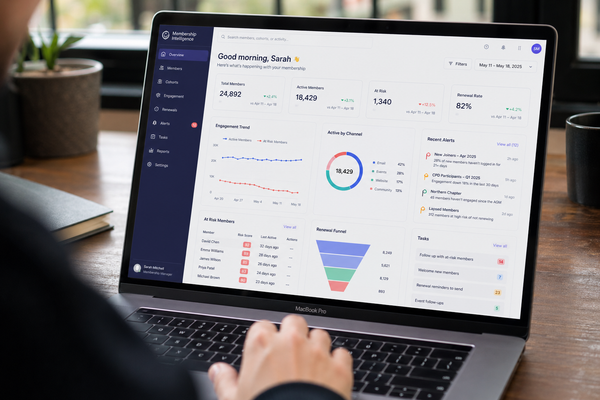
A membership director told me recently that her renewal rate was "about 82%, give or take."
Give or take.
That phrase stuck with me, because it wasn't her fault. She genuinely couldn't tell me. The number moved every time finance ran it one way and membership ran it another. Duplicate records, a CRM that didn't talk to the events tool, and a renewal flow nobody had mapped end to end.
She's not alone. I've sat with enough membership teams now to know that data hygiene across our sector is quietly one of the biggest retention issues nobody writes about.
But it's where the money leaks.
Here's how it usually goes.
A member's email bounces, so a colleague creates a new record. Someone imports a spreadsheet from a conference, and half the attendees already exist under a slightly different spelling. A renewal reminder fires to an address the member stopped checking in 2019.
Now that member exists twice. Their engagement history is fragmented across two ghosts. One record shows three events attended last year. The other shows nothing. The renewal team looks at the wrong one and flags them as disengaged.
They lapse.
The exit survey says "lack of engagement."
But that wasn't the real reason, was it?
Marketing General's benchmarking work puts median renewal rates around 85%, and 51% of associations equate lack of engagement with why members fail to renew.
I'd wager a decent chunk of those "disengaged" lapses are actually data failures wearing an engagement costume.
The reminder didn't fire. Or it fired to the wrong address. Or the member genuinely had engaged, but the signals were scattered across five systems that never spoke to each other. Event attendance in one tool. CPD in another. Forum activity in a third. Email opens in the ESP. Website behaviour nowhere at all.
If those signals never flow into a single member record, you can't score engagement. You can't segment by it. You can't act on it.
Your most active members get the same generic email as the ones who haven't logged in for 18 months. And your board keeps asking "how engaged are our members?" and nobody has a straight answer.
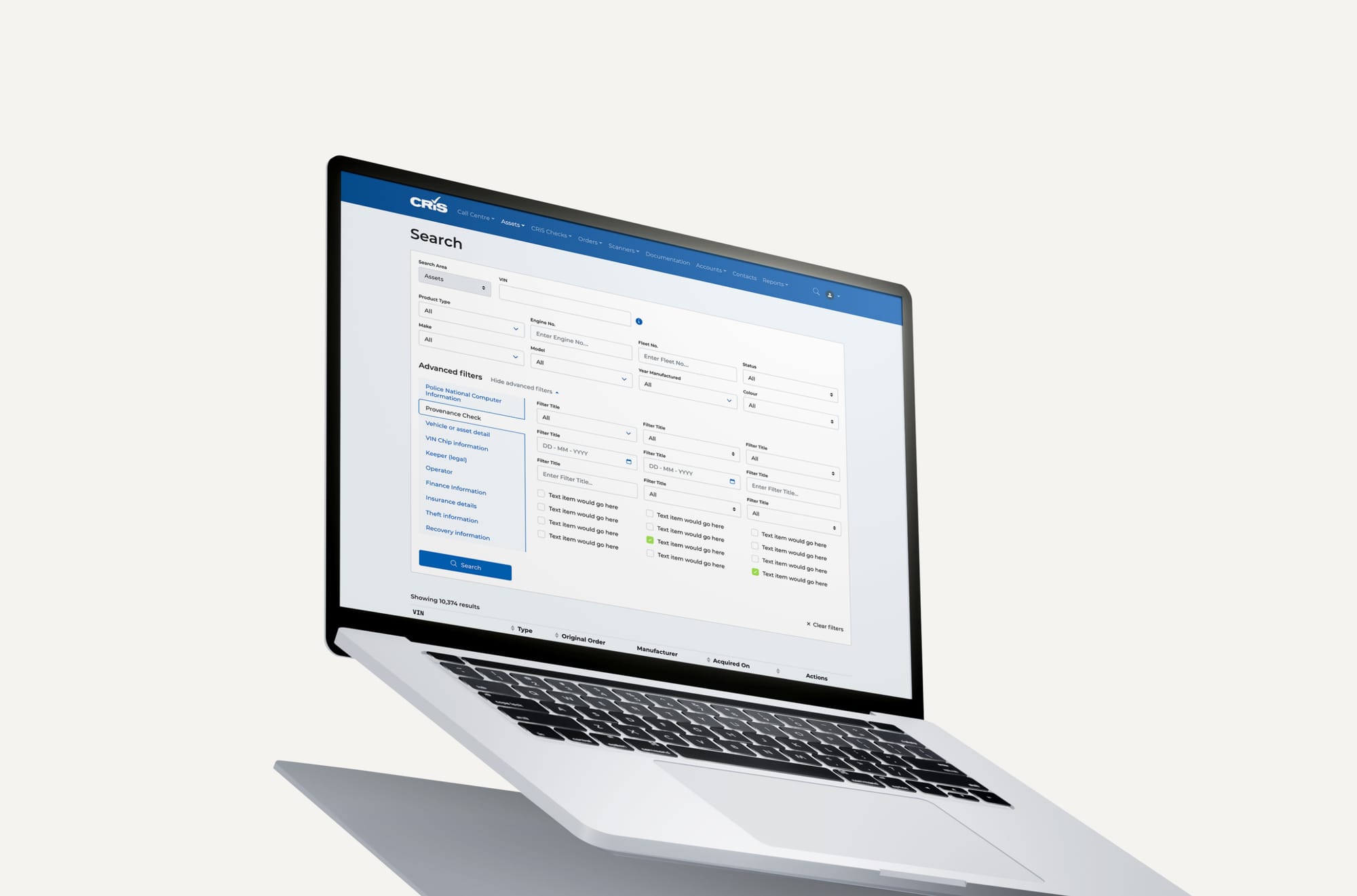
This was a huge part of the work when we rebuilt the platform for NCC CRiS. Not the shiny front end. The unglamorous foundation underneath. Consolidating member activity into a single source of truth so the team could finally see who was using what, how often, and where the gaps were.
Do the maths on your own organisation for a moment.
Average member lifetime value, annual dues multiplied by average tenure. For many professional bodies, that's £800 to £3,000 per member. If cleaner data and better renewal triggers lifted your retention by a single percentage point on a 20,000-member base, what's that worth each year, recurring?
Often more than the entire cost of fixing the problem.
You don't need to rebuild everything on Monday. But three things worth doing this month:
- Run a duplicate audit. Count them. Put a number on the mess.
- Map your renewal trigger logic on a whiteboard. Find where it breaks.
- List every place engagement data lives. Note which systems talk and which don't.
Once you can see the shape of it, the business case writes itself.
Poor member data doesn't just cost you money. It costs you the ability to make good decisions about the people you're meant to be serving. And that's the thing that compounds, quietly, year after year, until the "give or take" becomes the story.
What's your renewal rate, really?